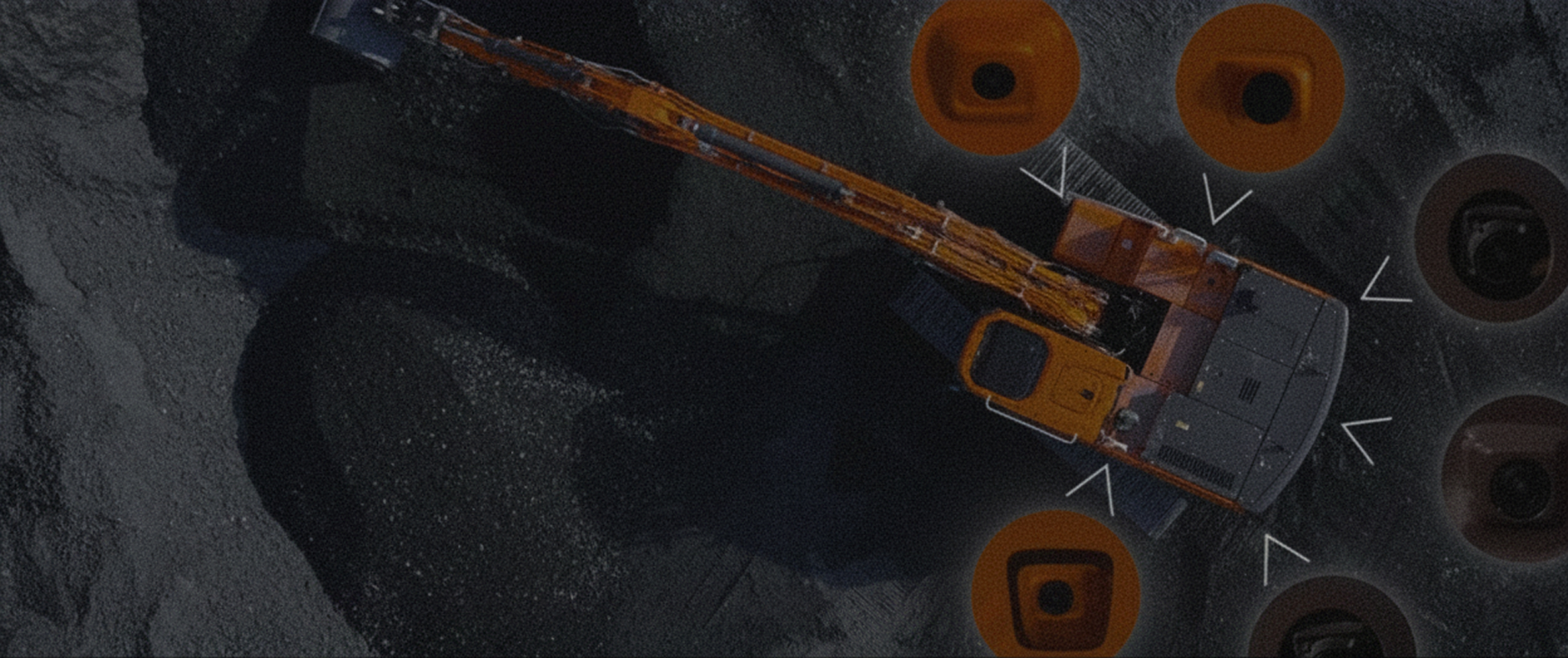
Safer excavators, smarter support: where the industry is heading
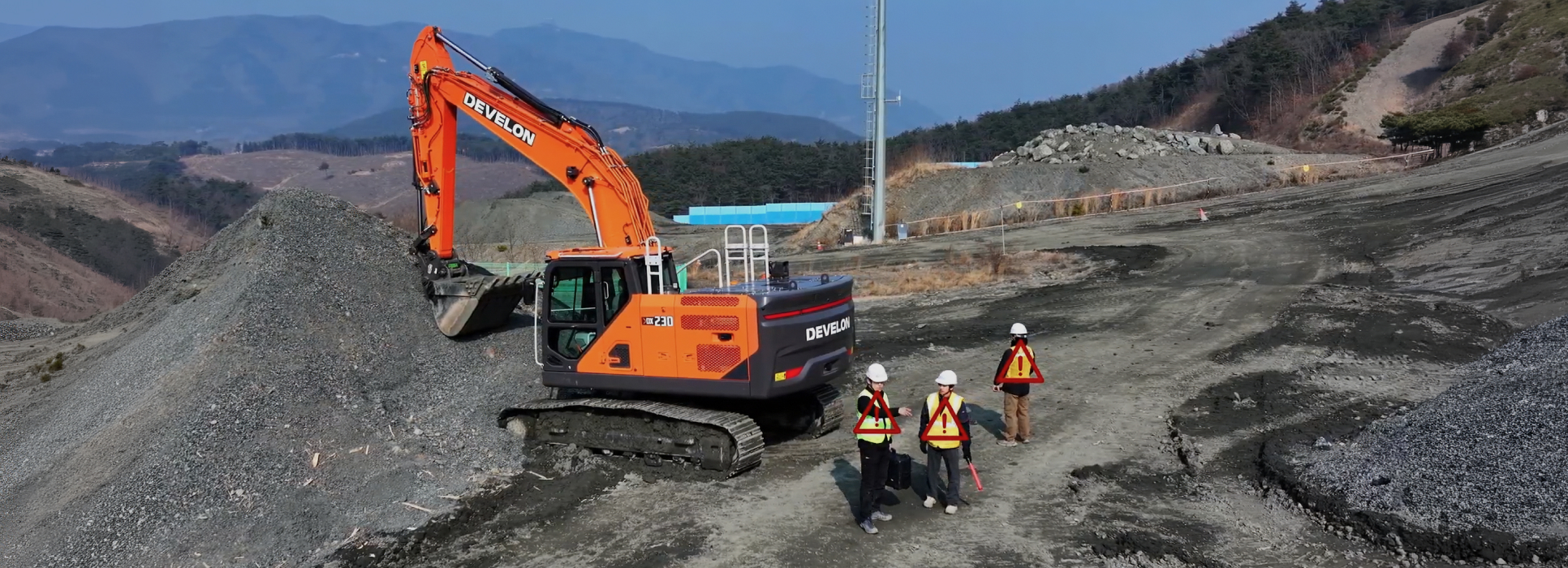
On a busy construction site, safety depends on constant awareness, sound judgement, and the ability to respond quickly when conditions change.
For years, excavator safety focused on visibility through mirrors, cameras, and warning alarms. These features remain important, but the industry is moving beyond awareness alone. Increasingly, modern machines are designed not only to identify risk, but to respond to it more effectively — preventing incidents before they cause critical delays.
That shift can be seen in the latest generation of crawler excavators, including the Develon 9 Series. It also reflects a wider industry direction: whatever the brand, smarter safety technology is becoming central to machine design.
1.
Going beyond visibility
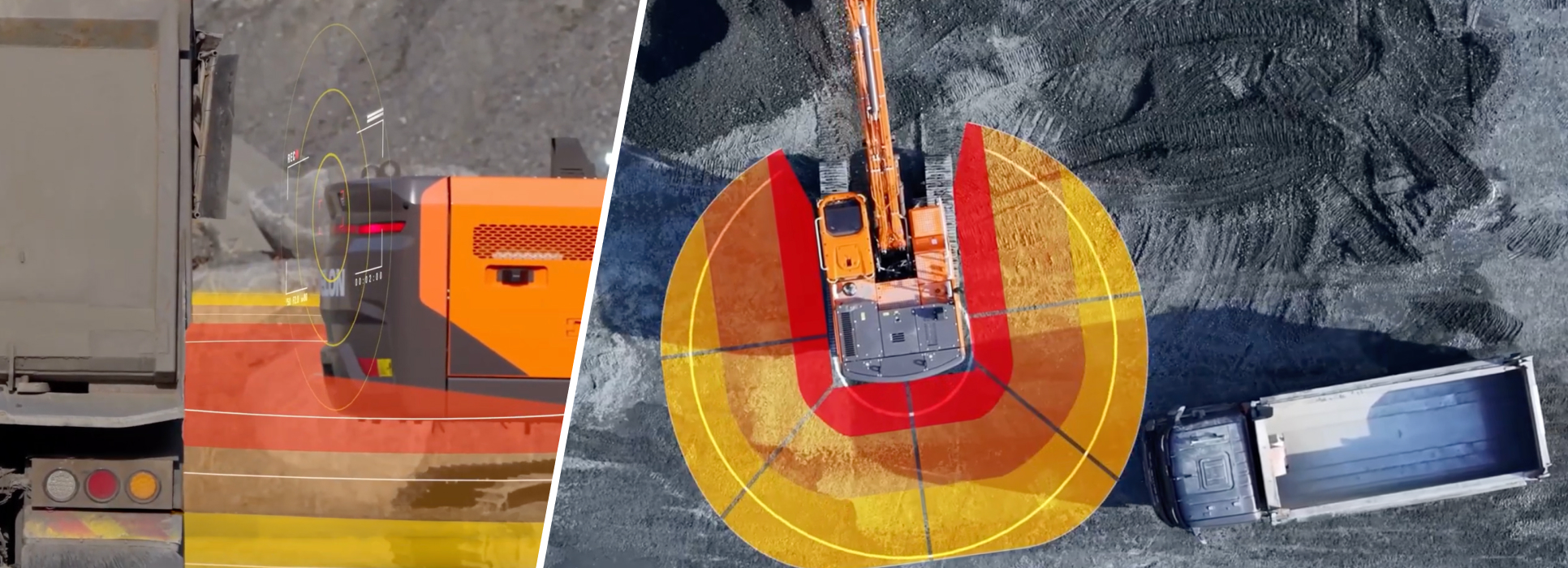
In the Develon 9 Series, integrated E-Stop functionality adds a further level of active protection. Working together with Smart AVM and HDS, it supports 360-degree awareness around the machine and helps the operator respond to potential risks sooner.
When a person or obstacle enters the defined safety zone, the E-Stop system is designed to slow the machine from 6 meters and stop it from 4 meters. This marks an important shift from simply warning the operator to actively helping prevent an incident — supporting safer operation, fewer interruptions, and better workflow continuity on site.
2.
Smarter support during lifting
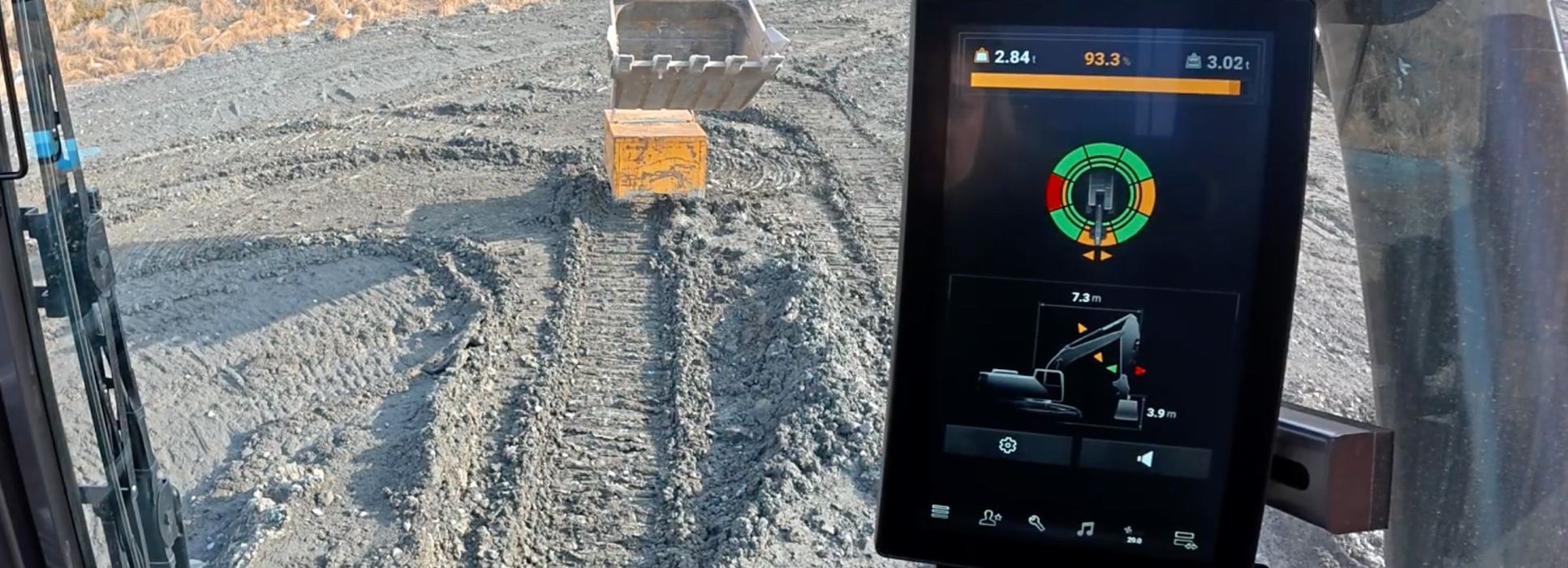
Lifting remains one of the most safety-critical excavator tasks. Stability can change quickly depending on reach, load, ground conditions, and machine position, so clear real-time guidance is essential.
Develon’s industry-first Advanced Lift System helps operators understand working limits more easily and make better decisions in the moment. This is especially valuable when operators move between different machines during the day, reducing the need to “learn by feel” and helping them lift with greater confidence and control.
3.
Creating safer working limits
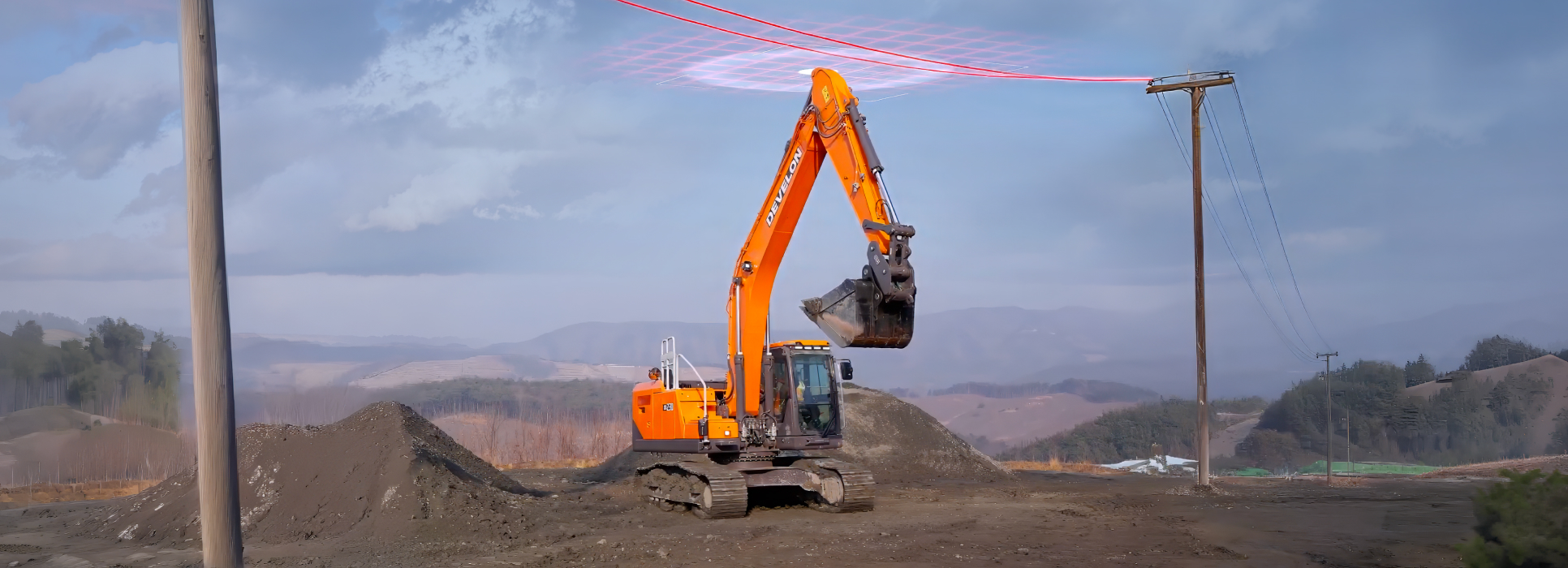
Excavators are often required to work in restricted or complex environments, including alongside structures, roadside obstacles, and overhead hazards. In these conditions, precision is critical.
Functions such as virtual wall help define a safer working envelope by setting limits for height, depth, reach, and swing. This helps reduce the risk of unintended contact and supports greater confidence where space is limited.
4.
Comfort matters too
Operator condition also affects safety. Fatigue, vibration, and repetitive strain can reduce concentration over the course of a working day, particularly in demanding applications.
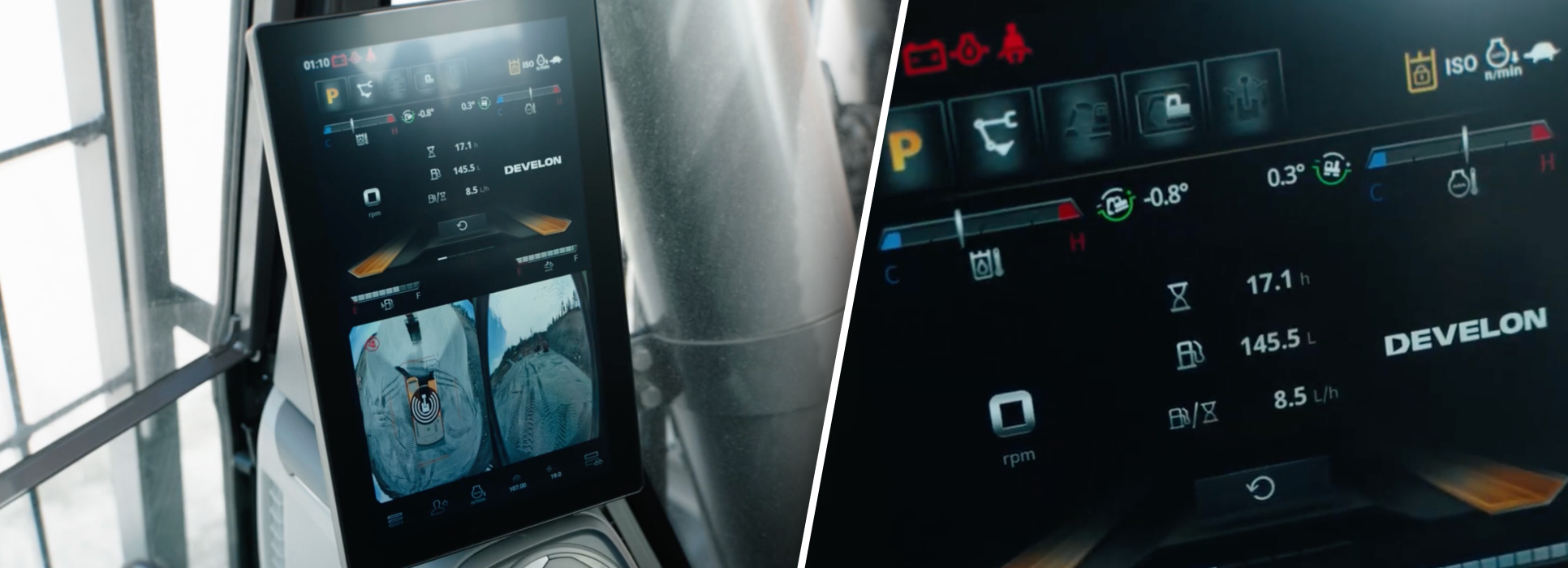
For that reason, cab design and ergonomics should be considered part of the safety picture. A low-vibration cab, intuitive controls, and clear displays help reduce workload and support operator focus. Assistance features such as Smart Breaker can also help reduce strain during repetitive tasks. You can enhance comfort even further with quality-of-life features like Digital Key that lets you unlock a machine or turn on heating remotely.
5.
A safer machine is also a healthier machine
Machine condition is another important part of safe operation. Unexpected component failure can create a serious risk, especially during lifting and heavy-duty work.
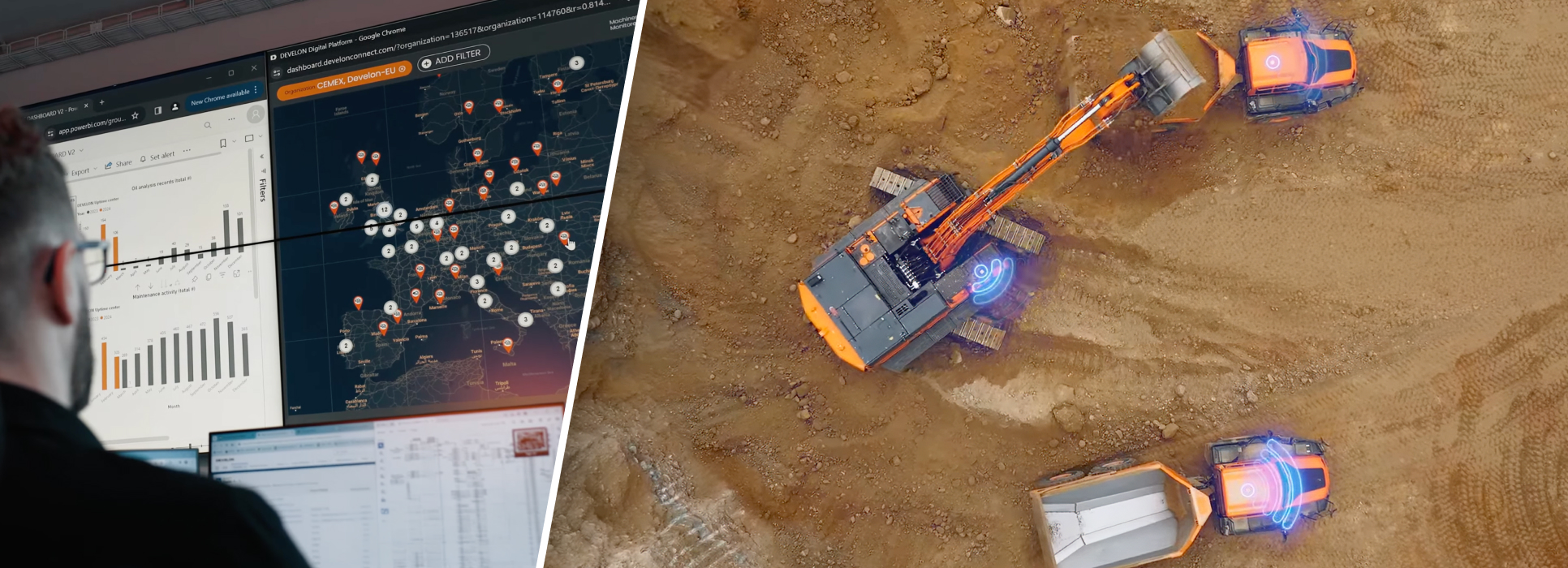
Predictive maintenance tools such as PHM (Prognostics and Health Management) help by monitoring machine health and identifying potential issues before they become failures. This means fewer surprises, more stable operations, and greater operational certainty when the pressure is high.
6.
The direction of travel
Taken together, these developments reflect a clear shift in the industry. With skilled operators harder to find and crews often moving between machines, the 9 Series helps every operator work more confidently, efficiently, and safely.
It supports better control, helps reduce the risk of machine damage or jobsite incidents, and gives owners added peace of mind with early alerts when attention is needed. It is not a replacement for training, but a smarter partner that helps protect uptime, people, and productivity.