Electric vs. Diesel Excavators: Is Your Site Ready for the Switch?
In this article:
- Evaluating electric machinery is an operational decision driven by site logistics, duty cycles, and contract mandates.
- Zero-emission excavators deliver immediate advantages in urban tenders, indoor spaces, and noise-sensitive jobs.
- Diesel machinery remains pragmatic for remote greenfield sites and non-stop mass earthmoving.
Where Does Electric Work — and Where Does Diesel Still Win? As a fleet manager or site contractor, buying a new machine is a long-term commitment. Choosing between battery electric and internal combustion equipment comes down to three primary factors: site environment, charging infrastructure, and contract eligibility.
1.
Where Electric Earns Its Keep
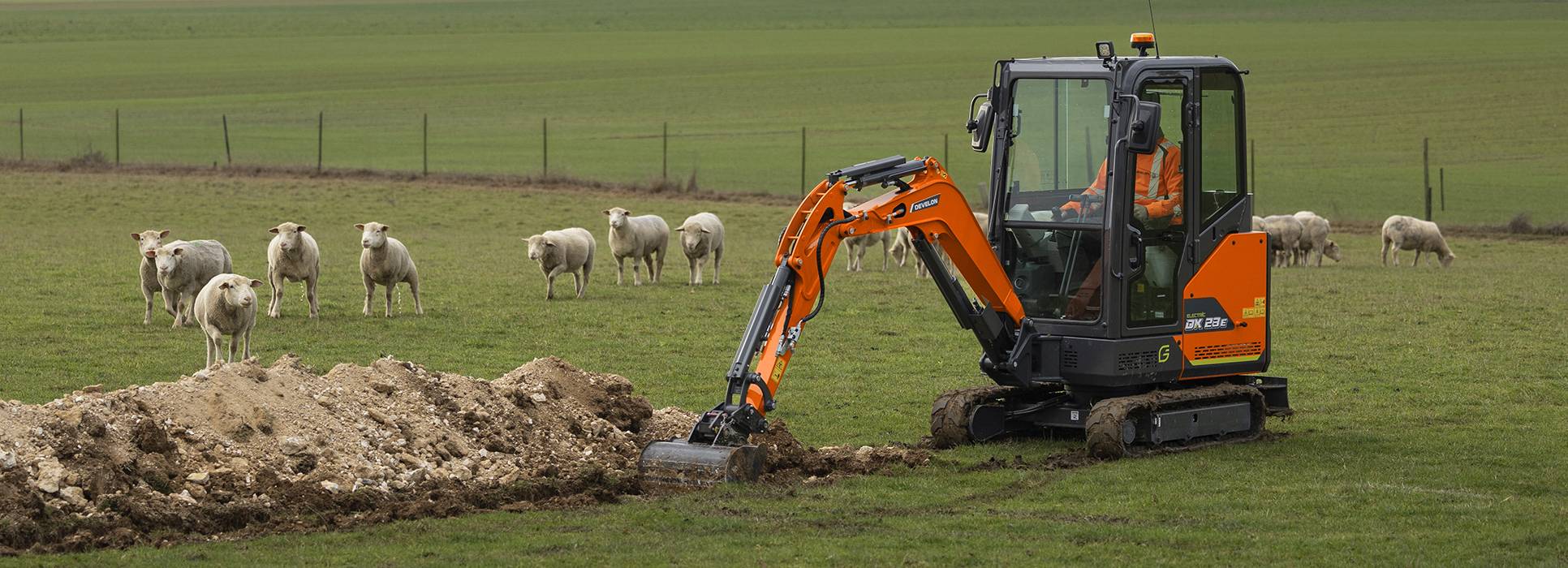
- Noise-Sensitive & Farm Operations: Farms, livestock facilities, night shifts near residential areas, and hospital zones require quiet operation. Electric machines eliminate diesel engine roar and vibration, keeping stress levels low for animals and nearby residents.
- Indoor Demolition & Confined Spaces: Working inside buildings, basements, or underground tunnels with diesel equipment creates toxic exhaust hazards. Zero-emission electric excavators remove the need for auxiliary ventilation systems and mandatory exhaust breaks.
- Urban Municipal Tenders: Cities across the Nordics, Benelux, and DACH regions (such as Oslo’s zero-emission jobsite mandates) assign heavy scoring weight (often 30%+) to environmental criteria in public tenders. An electric machine is often the minimum prerequisite just to place a bid.
2.
Where Diesel Remains the Pragmatic Choice
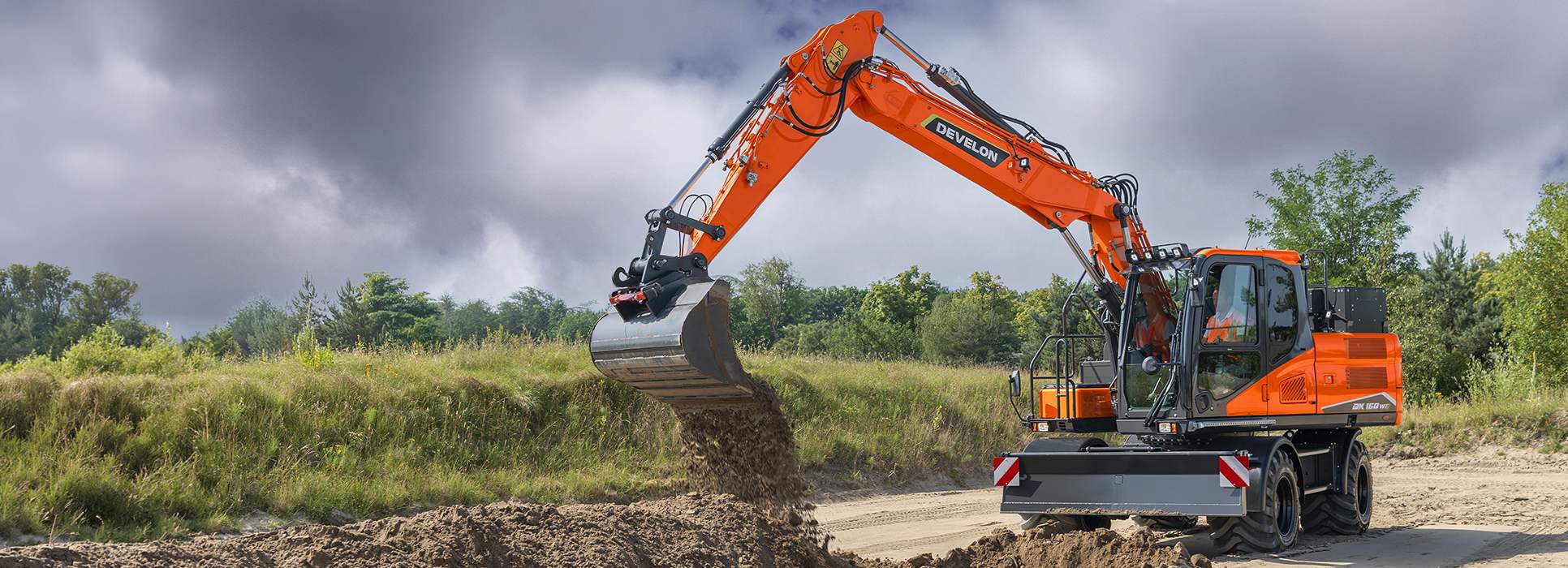
- Remote & Greenfield Infrastructure: Sites with no grid connection, no temporary high-voltage supply, and where bringing in mobile Battery Energy Storage Systems (BESS) is logistically or economically unviable remain traditional diesel territory.
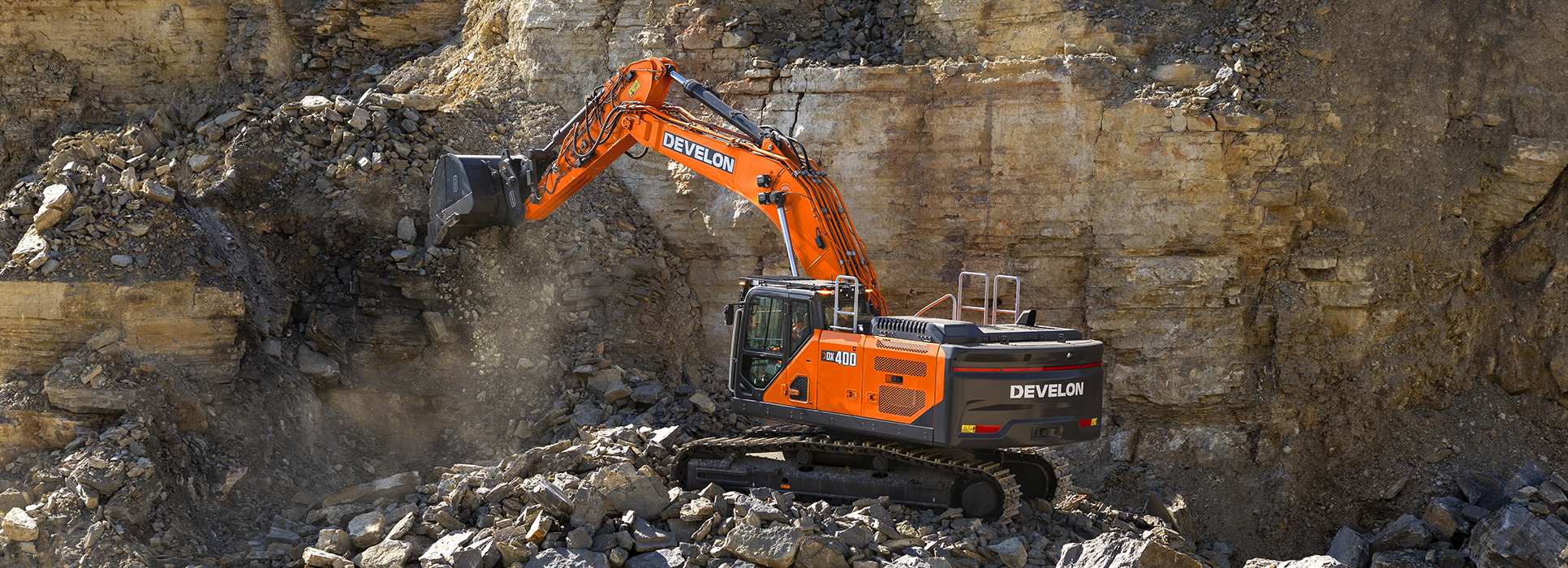
- Continuous Mass Earthmoving: Non-stop, multi-shift digging or heavy breaker work draws maximum energy continuously. Diesel maintains a clear advantage where shift lengths fluctuate dynamically and downtime cannot be scheduled around fixed charging windows.
- High-Mobility / Short-Duration Work: Jobsites requiring frequent machine relocation, where setting up temporary electrical infrastructure for short working windows is inefficient.
3.
Direct Operational Comparison: Electric vs. Diesel
| Operational Factor | Electric Excavators | Diesel Excavators |
|---|---|---|
| Primary Advantage | Zero local emissions, near-silent operation, access to restricted tenders. | Immediate off-grid deployment, total mobility without grid dependence. |
| In-Cab Experience | Standard Develon controls, breakout force, and hydraulic speed; zero engine vibration and lower noise levels. | Proven machine platform; standard internal combustion noise and cab vibration. |
| Idling Energy Draw | Minimal power wasted when static — electric motor shuts off instantly during pauses. | Continuous fuel consumption and non-productive engine hour accumulation while waiting. |
| Site Logistics | Requires planned end-of-shift plug-in (230 V / 400 V) or mobile BESS charging points. | Requires bulk fuel deliveries, mobile fuel bowsers, fuel canisters, and AdBlue® management. |
| Service & Maintenance | No engine oil, fuel filters, AdBlue®, or DPF regenerations — standard hydraulic service only. | Periodic engine service, fluid/filter changes, DPF cleanouts, anti-gel winter preparation. |
4.
Contractual Requirements & Municipal Compliance
Cities across Europe are tightening procurement rules. For example, Oslo has required contractors to use zero-emission machinery "as much as possible" on municipal construction sites since 2017, and requires the use of zero-emission machinery. Since January 2025 Norwegian public tenders weight climate criteria at a minimum of 30 percent, and similar rules are spreading through the Benelux and DACH regions. On projects covered by these rules, running zero-emission equipment can be the difference between winning and losing the bid — even on projects where it isn't an outright mandate.